Pain
Some pain is normal after any surgery. Different people have different levels of sensitivity to pain. In general, you should experience a little less pain every day. Pain is usually worse in the evening when you are trying to go to sleep. Do not be afraid to take the pain medicine prescribed for you, particularly before you go to sleep, but you can stop taking it if you are comfortable. Most pain medications cause constipation and they can also cause drowsiness. Do not drive or operate power tools after you take narcotic pain medications. If you have only mild discomfort, try taking extra-strength Tylenol® as directed.
Wound Care
Do not remove your dressing. It will be removed at your first post-operative visit. Do not be concerned if you see a small amount of blood on the dressing. That is normal. If the dressing does fall off, do not be concerned. It does not need to be replaced. You can shower and bathe and you can (and should) wash right over the dressing with soap and water. You should not use any creams or ointments (such as Neosporin) on the incision until after your first post-operative visit.
Activities
There are no specific restrictions after surgery. You should spend most of your day out of bed. You can resume all of your normal activities including sports and physical labor. You can return to work as soon as you feel up to it. You can travel after your first post-operative visit.
Diet
You can resume your usual diet including any dietary restrictions that you were on before surgery.
Medications
You should resume taking all of your usual medications as soon as you return home, except for medications that could cause bleeding such as aspirin, Plavix, and non-steroidal anti-inflammatory drugs (NSAIDs) like Advil. You should wait 3 days before resuming these medications. If you were taking Coumadin before your surgery, this can be resumed immediately. Most patients do not need to take antibiotics.
Adrenal Crisis
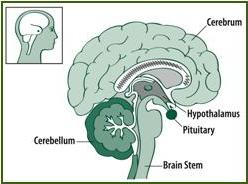
After surgery, you may be prescribed a form of cortisol. Your doctor will tell you when and how to wean off this. Do not stop on your own. Adrenal crisis may be the result. Acute adrenal crisis is an emergency caused by decreased cortisol. The crisis may occur in a person with Addison’s disease, or as the first sign of adrenal insufficiency. More uncommonly, it may be caused by a pituitary gland disorder. It may also be caused by sudden withdrawal of corticosteroids, removal or injury of the adrenal glands, or destruction of the pituitary gland. Risk factors are stress, trauma, surgery, or infection in a person with Addison’s disease, or injury or trauma to the adrenal glands or the pituitary gland. The incidence is 4 out of 100,000 people.
Contact your doctor if you have these symptoms after adrenal surgery
* headache
* profound weakness
* fatigue
* slow, sluggish, lethargic movement
* nausea
* vomiting
* low blood pressure
* dehydration
* high fever
* chills shaking
* confusion or coma
* darkening of the skin
* rapid heart rate
* joint pain
* abdominal pain
* unintentional weight loss
* rapid respiratory rate
* unusual and excessive sweating on face and/or palms
* skin rash or lesion may be present
* flank pain
* appetite, loss
Personal Experiences
Read Adrenal bios
More on Adrenal Crisis
Discuss on the message boards
Discover more from Cushing's Help
Subscribe to get the latest posts sent to your email.